

Press enter to search


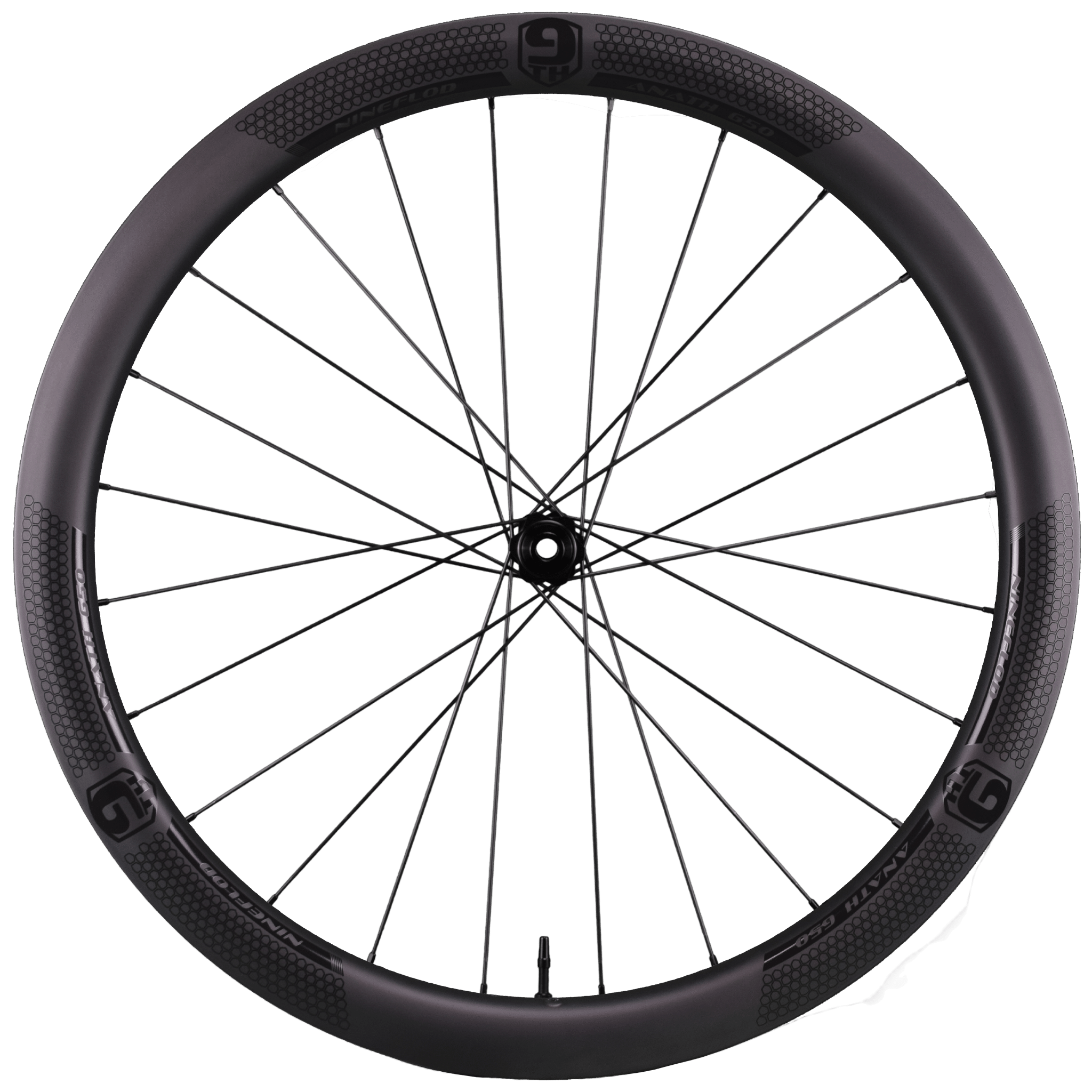

Rim Weight: 405 g
Rim type: Hookless (tubeless ready / innertube compatible w. TLR tires)
Depth: 42 mm
Inside width: 27 mm
Optimized for tire sizes: 40 – 62 mm
Tire pressure: Size & Pressure Chart
Profile: ART Asymmetric Rim Design
Finish: UD
Wheel Size: 650b / 27.5″
ERD: 518
Hubs: DT Swiss 240 EXP Straight Pull
Axle: Front 12 x 100 / Rear 12 x 142
Disc Mount: Center Lock
Freehub Body Type: Shimano HG 11/12 sp. / Shimano Micro Spline 12 sp. / SRAM XDR
(Campagnolo N3W available separately, click here)
Spoke: Straight Pull Aero Spokes
Spoke Count: 24 Front / 24 Rear
Spoke length: Spoke Info
Max. rider + gear weight: 130 kg
Wheelset weight: 1,335 g
Weight based on lightest configuration w/o valves and rim tape (± 25 grams)
9th Wave Anath 650 wheels come with rim tape and valves installed and are hand built by our master wheel builders in the Netherlands.
Go to our product support pages to register your product and get lifetime warranty and crash replacement on your carbon rims!
| Lightweight: | ★★★★☆ |
| Aerodynamics: | ★★★☆☆ |
| Comfort: | ★★★★★ |
| Stiffness: | ★★★★★ |
| Versatility: | ★★★★☆ |
The best gravel routes rarely stay on gravel. A forest track turns into roots, a farm road into loose stones, and a multi-day trip adds bags to the bike. That is where tire volume starts to matter more than almost anything else. More air at lower pressure means more grip, fewer pinch flats and far less vibration reaching your hands and back at the end of a long day.
The Anath 650 is built around that idea. The smaller 650b (27.5″) diameter leaves room in most gravel frames for 2.0″ to 2.4″ tires, while the total diameter of wheel and tire stays close to a 700c wheel with a narrower gravel tire. Your bike keeps its familiar handling, and you get the volume of a mountain bike tire.
We developed this rim because no other 650b wheels combine a 42 mm depth with a 27 mm internal width, and it is that combination that lets wide tires come into their own. The internal width supports the sidewall of a wide tire, so it keeps its shape when you lean into a loose corner instead of folding over at low pressure, and the depth gives the wheel the stiffness for a loaded bike. The hookless carbon rim uses our ART asymmetric profile: by offsetting the spoke bed, spoke tension is more even between the drive and non-drive side. On the bike that means a wheel that stays true and stiff when it is loaded with bags or pushed hard on a rough descent.
650b is also a natural size for smaller frames. On a small gravel bike, big 700c wheels can bring toe overlap and limit the room for wide tires, and shorter riders often find the proportions of a smaller wheel a better fit. Many riders also value the agile, quick-turning feel that smaller wheels are known for. If you love wide tires but do not want big wheels, this is the wheelset made for you.
Twenty-four straight pull aero spokes front and rear lace into DT Swiss 240 EXP hubs: light, reliable, and serviceable at almost any bike shop. Center Lock rotors, 12×100 / 12×142 thru-axles and a choice of Shimano HG, Shimano Micro Spline or SRAM XDR freehubs. The complete wheelset weighs from 1,335 g.
Every Anath 650 is built by hand in the Netherlands and ships with rim tape and valves installed, ready to set up tubeless. Register your wheels within 30 days and your carbon rims are covered for life, with access to our crash replacement program on top.
Prefer to stay on 700c? The Anath 423 SL pairs a 33 mm internal rim with the same DT Swiss 240 EXP hubs, for tires from 40 mm up.
Not sure whether 650b or 700c suits your riding better? Read more in our journal article.
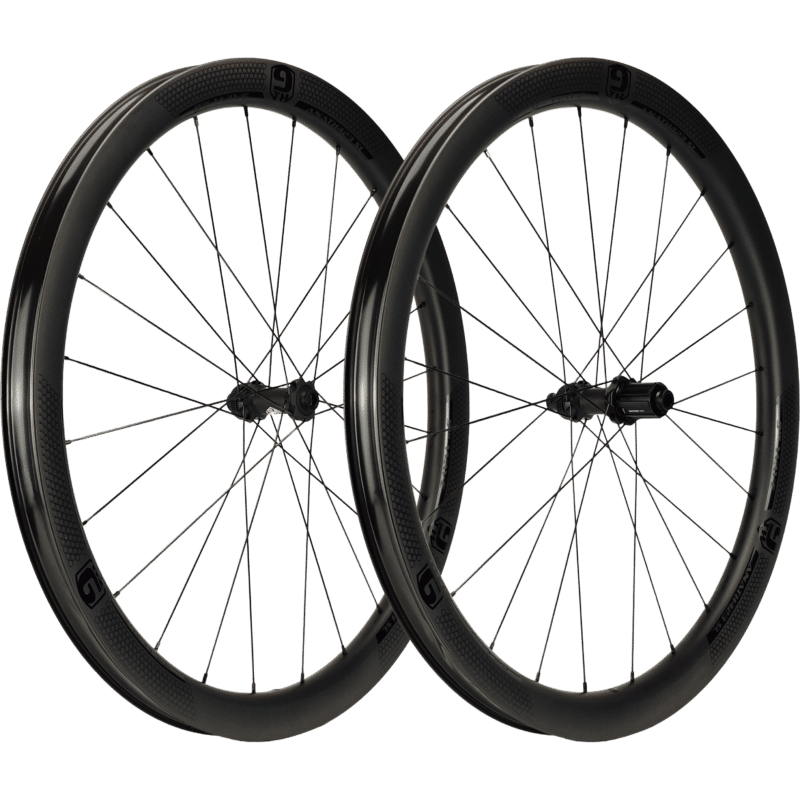
The best gravel routes rarely stay on gravel. A forest track turns into roots, a farm road into loose stones, and a multi-day trip adds bags to the bike. That is where tire volume starts to matter more than almost anything else. More air at lower pressure means more grip, fewer pinch flats and far less vibration reaching your hands and back at the end of a long day.
The Anath 650 is built around that idea. The smaller 650b (27.5″) diameter leaves room in most gravel frames for 2.0″ to 2.4″ tires, while the total diameter of wheel and tire stays close to a 700c wheel with a narrower gravel tire. Your bike keeps its familiar handling, and you get the volume of a mountain bike tire.
We developed this rim because no other 650b wheels combine a 42 mm depth with a 27 mm internal width, and it is that combination that lets wide tires come into their own. The internal width supports the sidewall of a wide tire, so it keeps its shape when you lean into a loose corner instead of folding over at low pressure, and the depth gives the wheel the stiffness for a loaded bike. The hookless carbon rim uses our ART asymmetric profile: by offsetting the spoke bed, spoke tension is more even between the drive and non-drive side. On the bike that means a wheel that stays true and stiff when it is loaded with bags or pushed hard on a rough descent.
650b is also a natural size for smaller frames. On a small gravel bike, big 700c wheels can bring toe overlap and limit the room for wide tires, and shorter riders often find the proportions of a smaller wheel a better fit. Many riders also value the agile, quick-turning feel that smaller wheels are known for. If you love wide tires but do not want big wheels, this is the wheelset made for you.
Twenty-four straight pull aero spokes front and rear lace into DT Swiss 240 EXP hubs: light, reliable, and serviceable at almost any bike shop. Center Lock rotors, 12×100 / 12×142 thru-axles and a choice of Shimano HG, Shimano Micro Spline or SRAM XDR freehubs. The complete wheelset weighs from 1,335 g.
Every Anath 650 is built by hand in the Netherlands and ships with rim tape and valves installed, ready to set up tubeless. Register your wheels within 30 days and your carbon rims are covered for life, with access to our crash replacement program on top.
Prefer to stay on 700c? The Anath 423 SL pairs a 33 mm internal rim with the same DT Swiss 240 EXP hubs, for tires from 40 mm up.
Not sure whether 650b or 700c suits your riding better? Read more in our journal article.


