

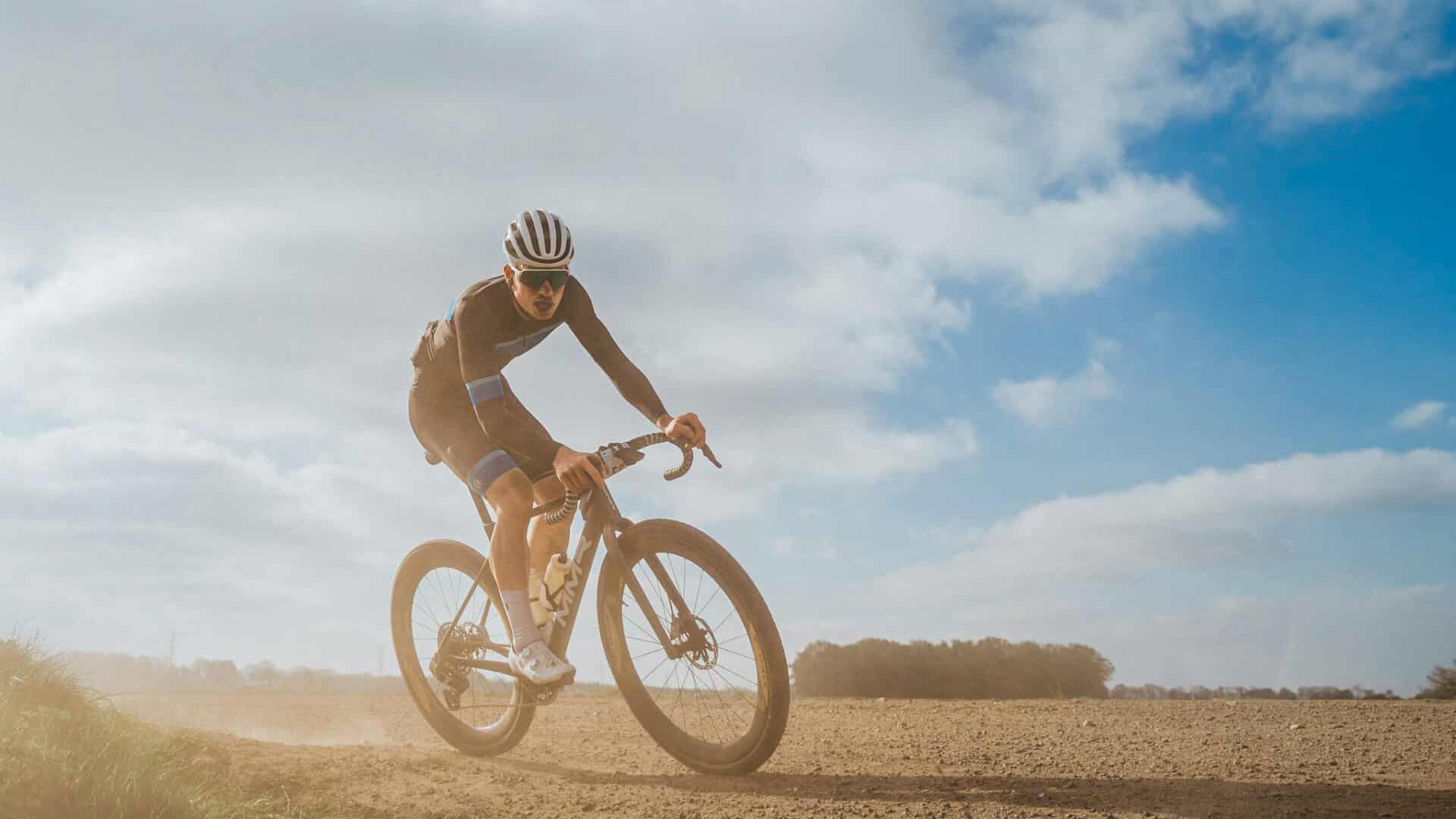
You have three carbon wheelsets open in three browser tabs. All three show a glossy black rim, all three list a depth and an internal width, and none of the photos shows the part that will decide how the wheel feels in its third year. A rim is the hardest part of a wheelset to get badly wrong, and the easiest to make look good in a picture. The hub, the spokes and the nipples are where wheels differ, and they are the parts nobody photographs, carbon wheel hubs included.
Carbon wheel hubs: the part you will service
A hub runs on bearings and a freehub, and both wear. After a winter of wet rides, you will want to replace them. If the hub is a widely used platform, that is a standard part at almost any wheel builder or bike shop. If it is a house-brand hub, you are often waiting for spares from one seller, on their timeline. So ask before you buy: whose hub is this, and where do I get a bearing or a freehub body in five years?
The Anath ONE All-Road uses DT Swiss 370 hubs, which can be serviced almost anywhere. It is the reason we chose them. For our own Onda hubs on the Ninefold models, the reasoning is different: we design them ourselves to get flange diameters and spoke hole counts that a catalogue hub cannot give us. We explain that in our article on what SL and Ninefold mean.
The spokes: where air and stiffness meet
Spokes are in the airflow at 40 km/h, and they carry the side load when you pull on the bars in a climb. Bladed aero spokes cut through the air with less drag than round ones, and a good build keeps tension even so that the wheel does not give way sideways. The ONE has Alpina Extralite bladed J-bend spokes. That is a deliberate choice, because it keeps a wheel that is meant to do road and gravel quiet and tight on both.
When you compare wheelsets, check the spoke type and the count. A wheelset with a low spoke count and round spokes can be light, but it can also be softer sideways. That is a trade-off worth knowing before you buy, not a fault in itself.
The nipples: the detail you notice once
A nipple is the part that holds a spoke to the rim, and you only think about it when a wheel needs truing. A nipple that has seized turns a five-minute job into a rebuild. Brass nipples resist corrosion and stay workable for years, at the cost of a few grams. Aluminium nipples save weight, which is why our SL builds use them, but they are not the right choice for wet, salty or sandy riding. We use brass on the Anath ONE, and brass on all our beach wheels.
One rim, two kinds of riding
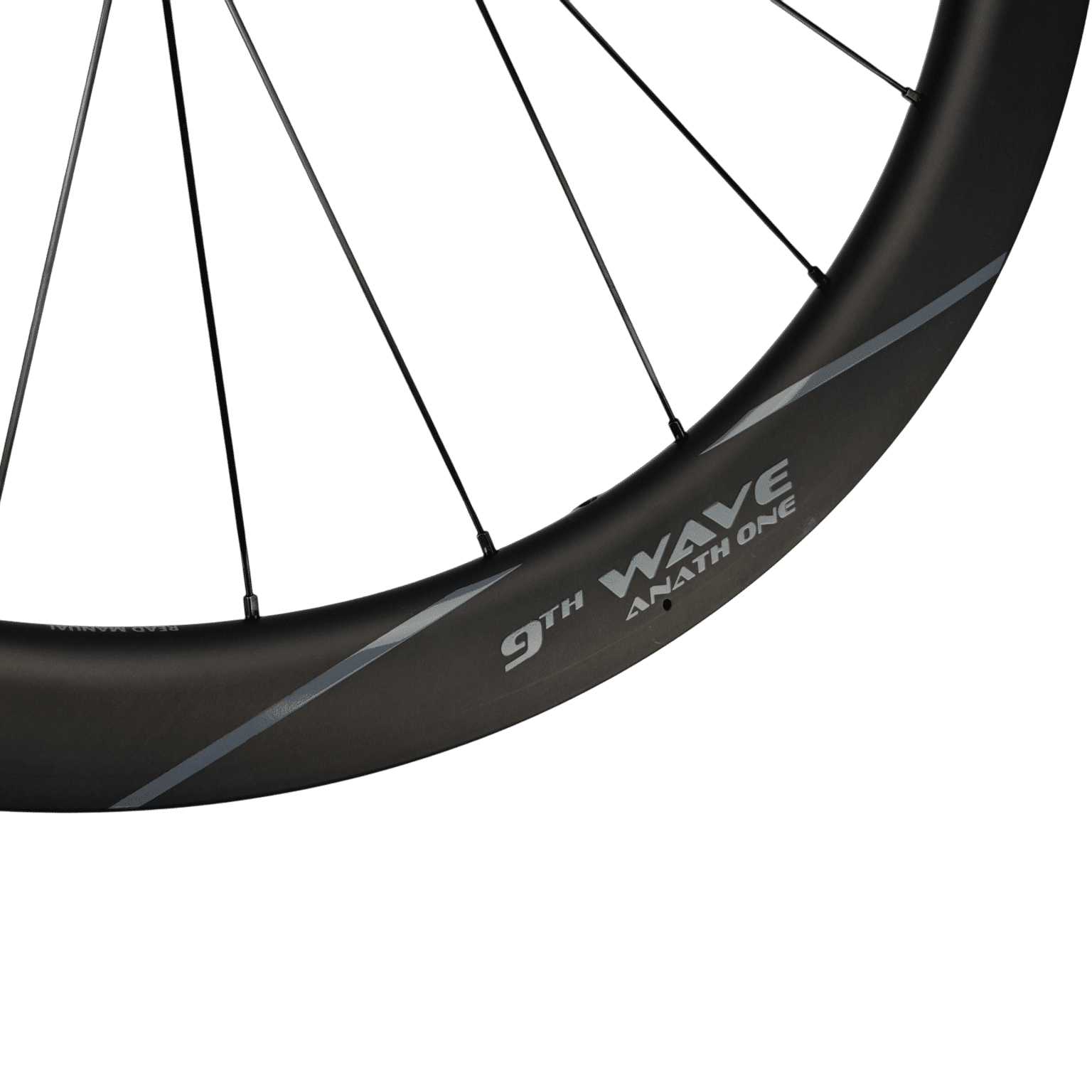
There is a fourth question: will this wheelset cover what you ride, or only what you ride on a good Sunday? The Anath ONE All-Road has a 45mm deep, 25mm internal rim, rated for tires from 28mm road tires up to 45mm gravel tires. That is deep enough for a real aero benefit on tarmac and wide enough to support a gravel tire properly instead of just tolerating it. If you own one bike for both, the range removes a decision. We explain how this works in one wheelset for road and gravel.
If your riding is firmly on one side, a more specialised wheel will edge it out. The Anath 423 SL is the lighter, gravel-focused step up. The ONE series as a whole is described in our overview of the ONE series.
What to check before you buy
Next time you compare carbon wheelsets, set the rim spec aside for a moment and ask three things. Is the hub a recognised, serviceable brand, or a house name you will not find parts for later? Are the spokes bladed aero spokes or round ones, and how many? And are the nipples brass or aluminium, and does that match where and how you ride? Those three answers say more about a wheelset’s second and third year than the rim depth does.
View the Anath ONE All-Road in our webshop.


